
The BTC office will be closed on Mon. Oct. 12 for the holiday. Thank you for your understanding.
Seed Orchards:
A Sustainable Supply of Native Plants
For many years, the supply of plants and seeds native to Ontario had not been able to keep up with increasing demand. As supply chains became more unpredictable, Bruce Trail Conservancy (BTC) Land Stewardship staff began thinking about how to mitigate this issue in the future so that the restoration of Niagara Escarpment lands with native species could continue at a sustainable and reliable pace.
Spring 2022
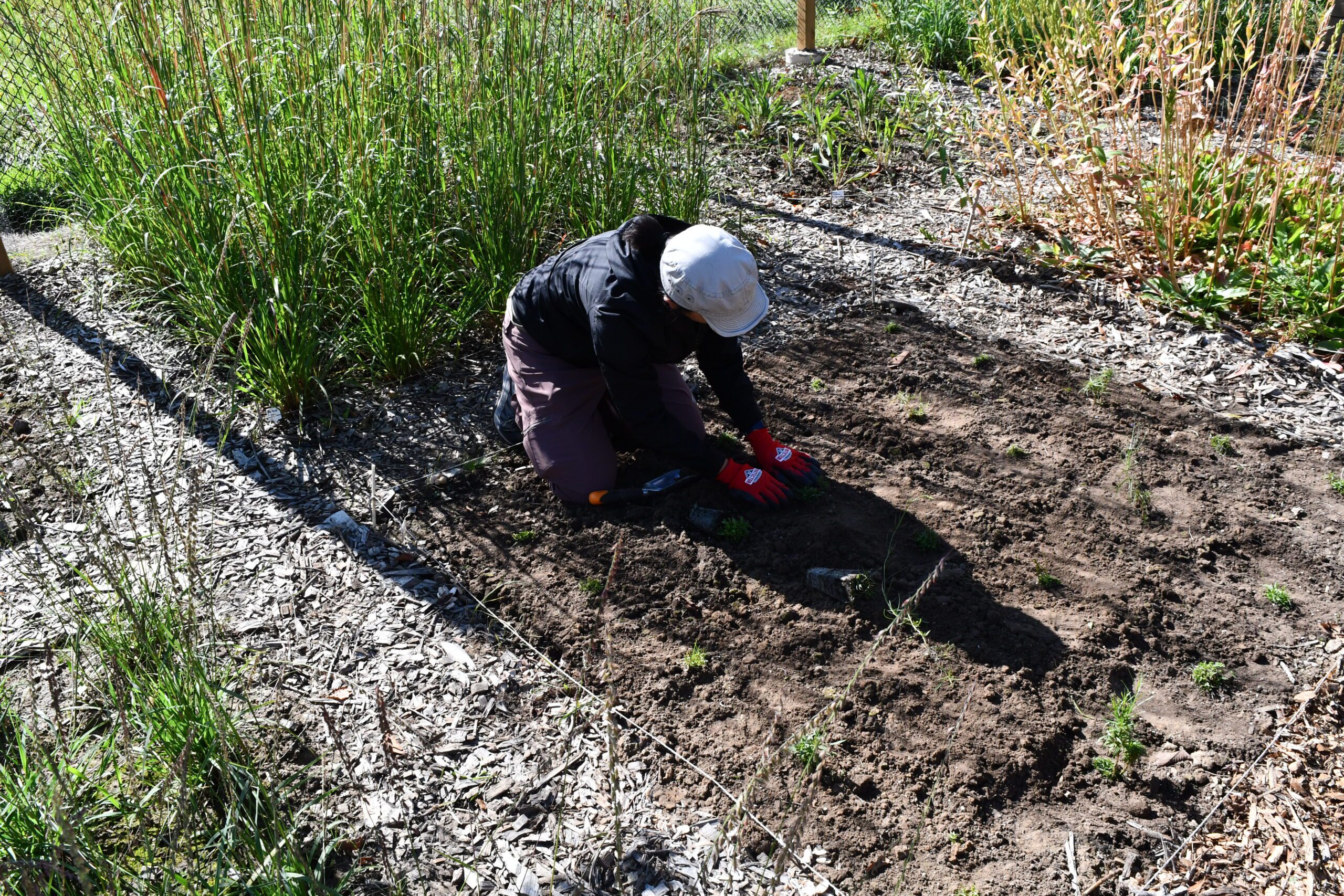
While we continued our restoration efforts across the Bruce Trail corridor, plans began forming to build our first seed orchard. A seed orchard is a planned garden with plants intended not for propagation or replanting, but specifically for seed collection. This enterprising project would enable the BTC to sustainably grow the plants needed for our restoration work while navigating around any future supply issues.

Fall 2022
Our McNally property in the Iroquoia section provided the perfect opportunity to bring this vision to life. Development of the McNally Seed Orchard began in September of 2022, and, after six weeks of work preparing the earth, installing fencing and planting, the project was ready to weather the winter.
2023
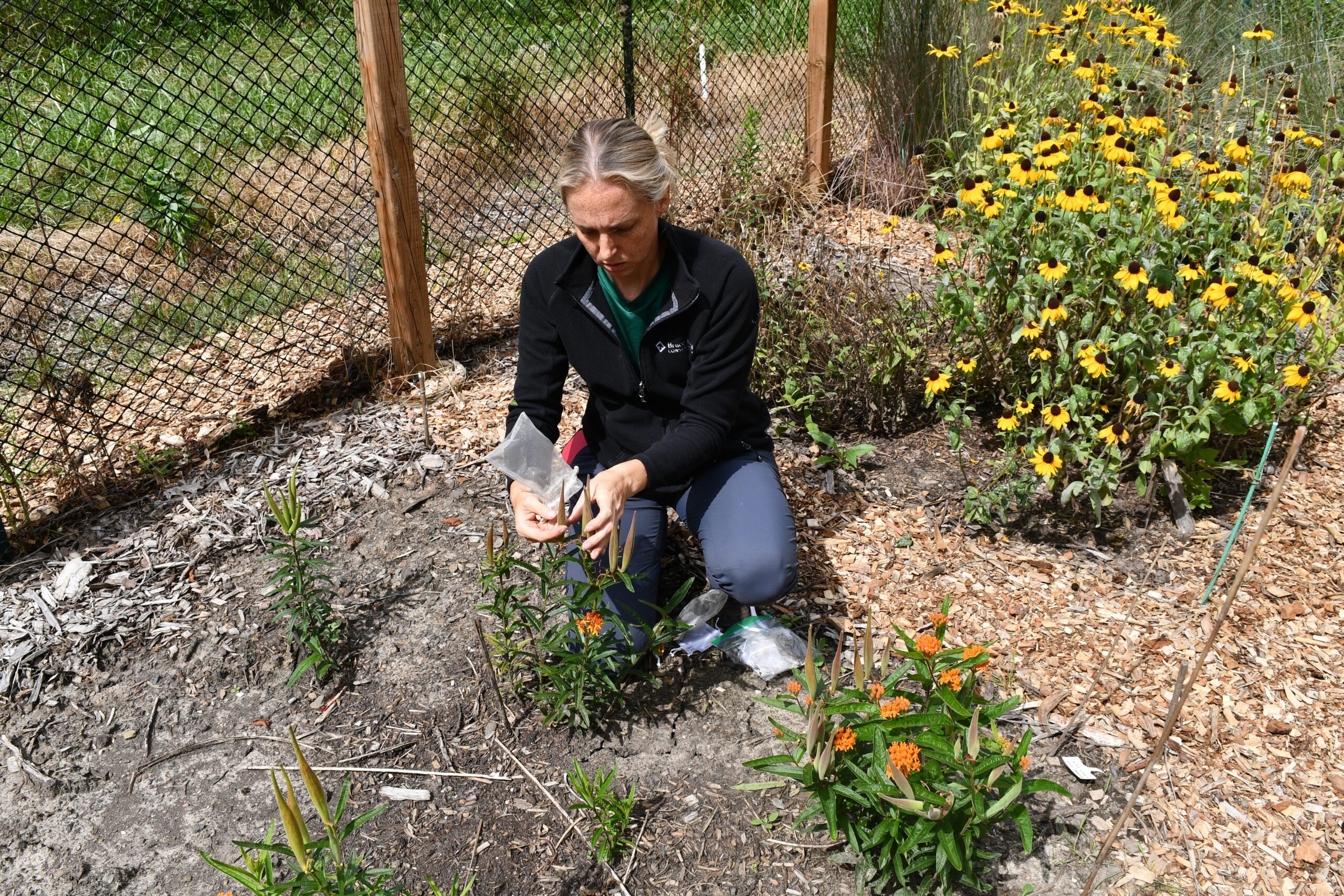
In the spring, volunteers from the Iroquoia Club began tending the McNally orchard with weekly maintenance including planting, weeding, and mulching. Volunteer Biodiversity teams soon began visiting the orchard to collect seeds for same-day restoration projects. The seeds were then scattered in appropriate areas throughout our conservation corridor, leaving nature to do the rest.
2024
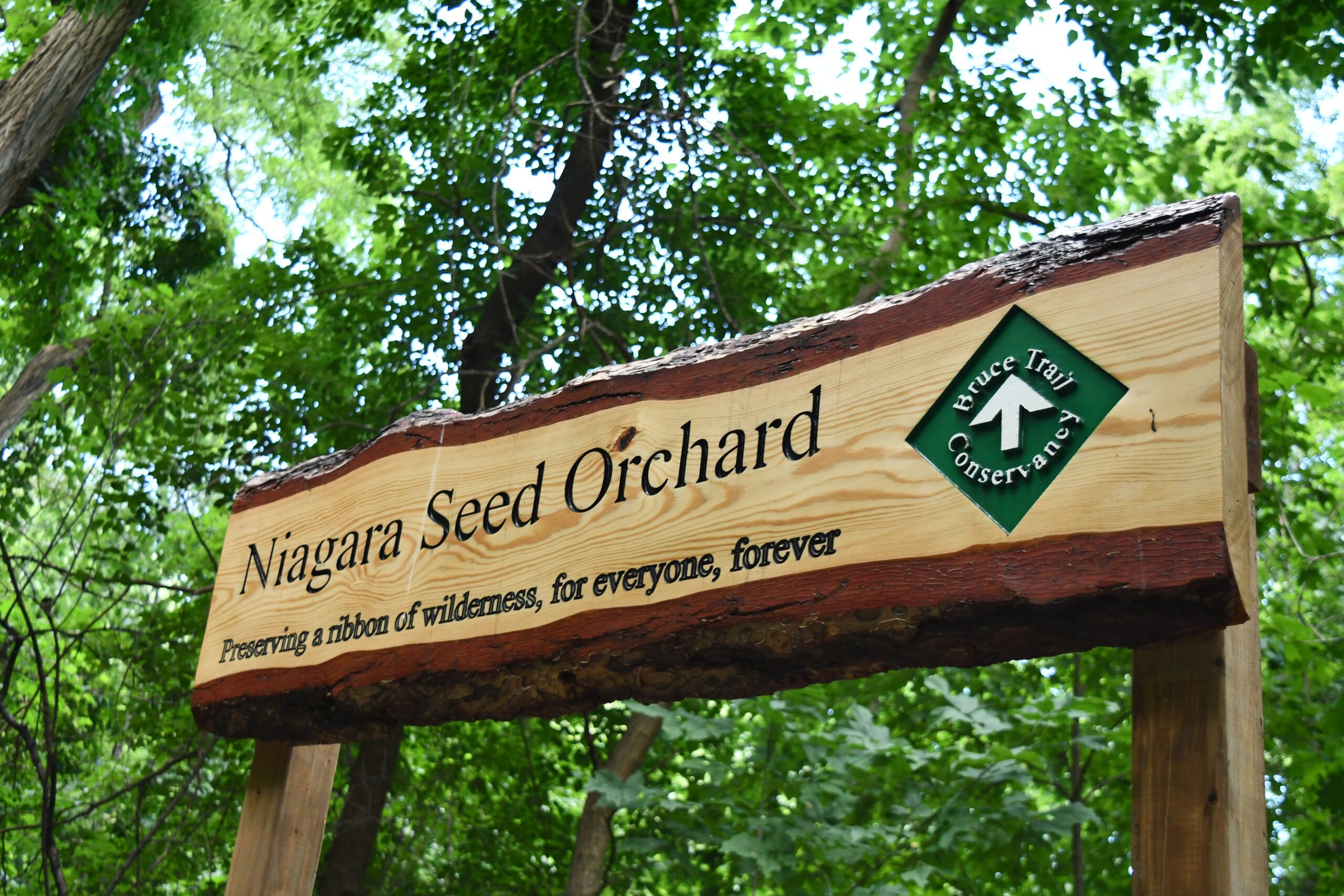
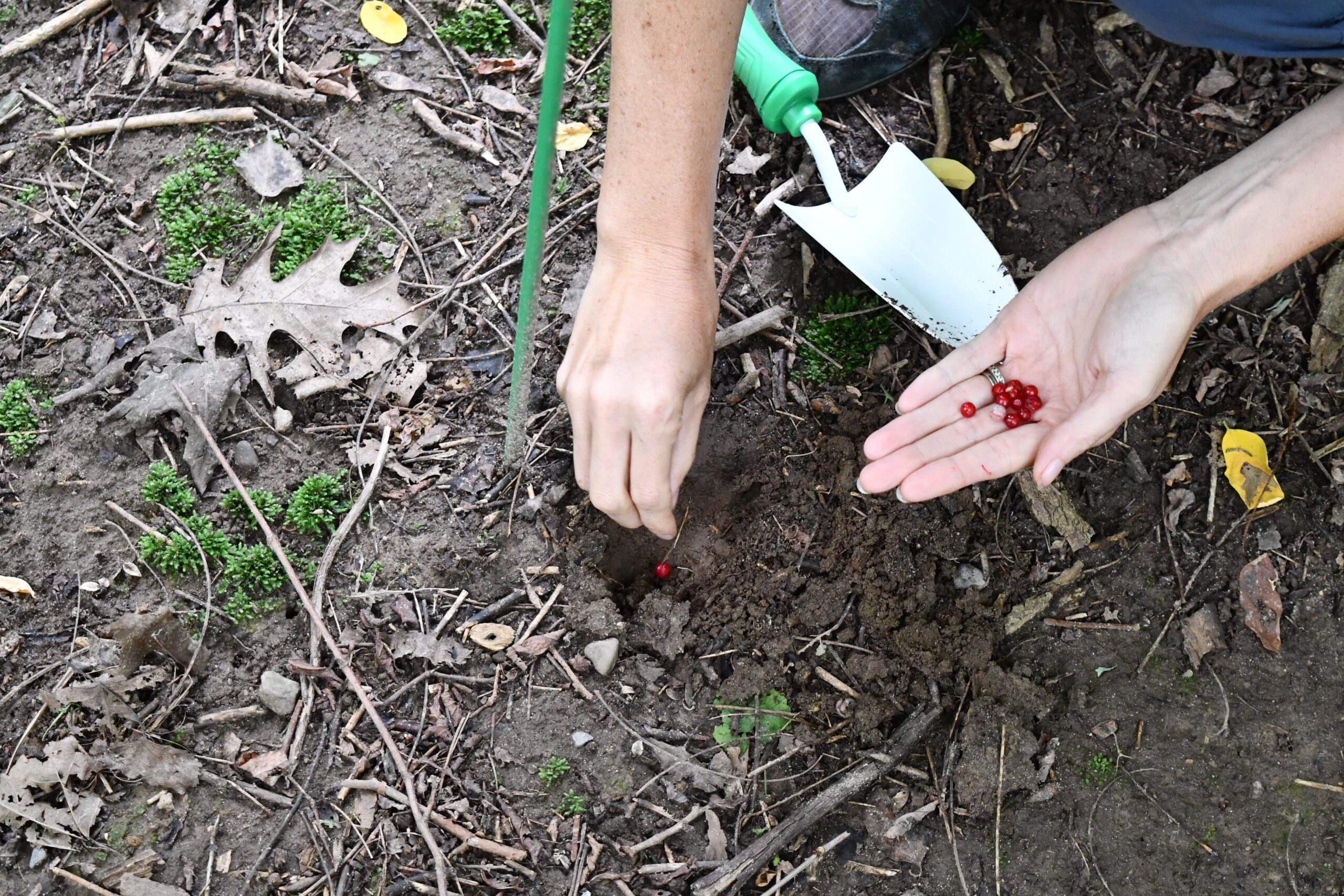
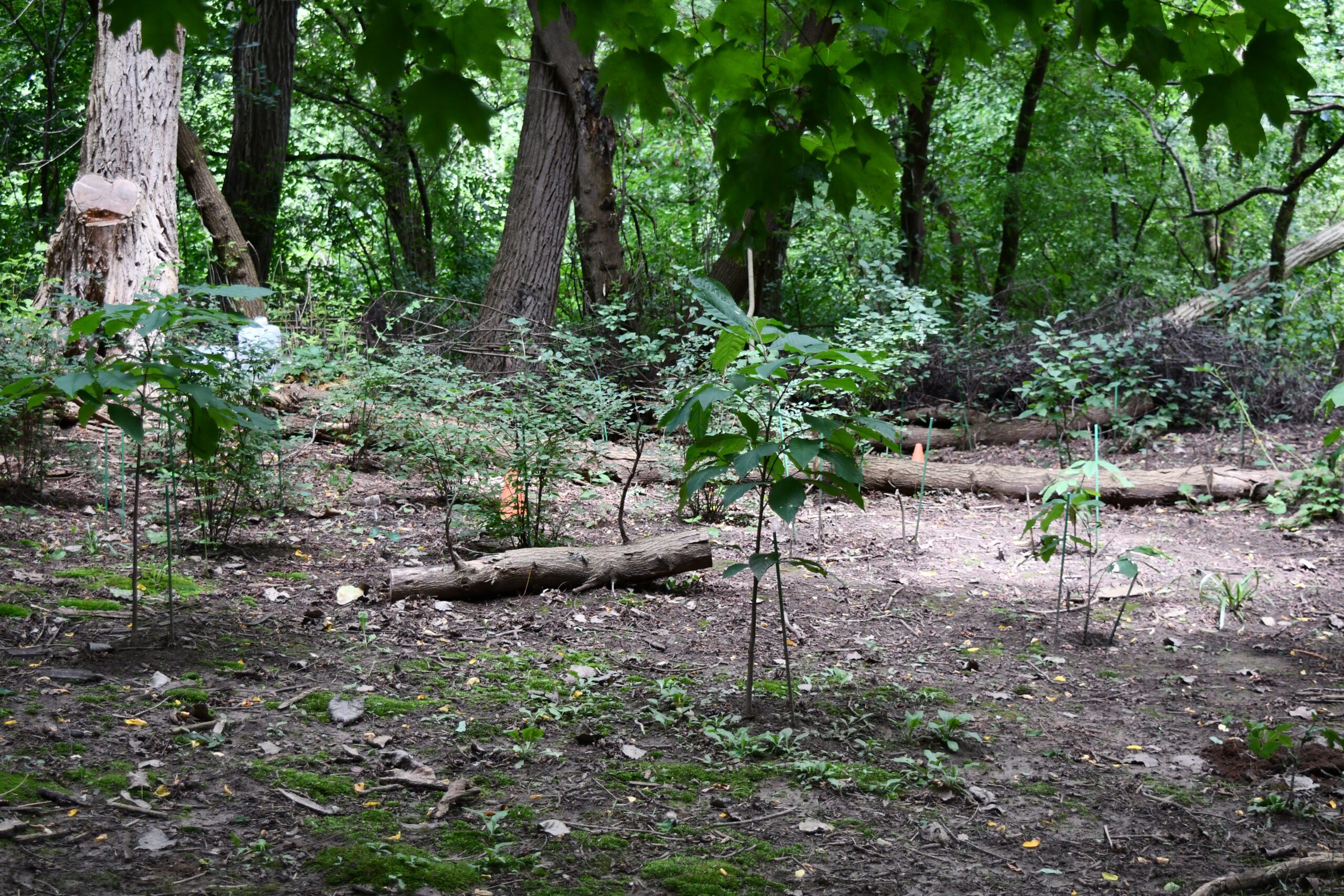
Following the creation of the McNally Seed Orchard in the Iroquoia section, our sustainable seed program expanded with the addition of two new orchards. Located in the St. Paul Nature Reserve west of Queenston Heights, the Niagara Seed Orchard was established, featuring a variety of plants, including Jack-in-the-Pulpit, Mayapple, Common Snowberry, Pawpaw, Coralberry, and Elderberry. This orchard, planted at a site that was previously overrun with invasive species, supports Carolinian forest species.
The Caledon Hills Seed Orchard was created on the grounds of the Akela & Scouters Heather & Ross Hamlin Nature Reserve at Riverside Woods. This seed orchard, growing mainly prairie species, occupies a former sports field, making it notably larger than the other orchards.
2025
Now well established, our existing three seed orchards are thriving, with plants yielding millions – yes, millions – of seeds, including Evening Primrose, Butterfly Weed, Spicebush, Lance Leaf Coreopsis, Side Oats Gamma and Black-eyed Susans.
Our Goals and Learnings
The first seed orchards yielded many learnings about the importance of proper site preparation, that is being used in the plans for additional gardens. These include mulching to keep weeds at bay, and, after some hungry deer feasted on some of the plants at McNally, how to keep the space safe for animals and people while allowing the plants to thrive. Thanks to our dedicated volunteers who maintain and steward the properties, these orchards are flourishing and contributing significantly to the preservation and restoration of the Niagara Escarpment’s unique biodiversity.
Our goal over the coming years is to create a seed orchard in each of our Bruce Trail sections (nine total) to support a variety of critical ecosystems. We plan to add one-to-two orchards each year that will support either sun-loving species, like those found at McNally, or forest understory species. By diversifying these orchards, we can enhance biodiversity with native species across BTC natural areas. We look forward to providing further updates on the establishment of additional seed orchards in the years to come.