
Controlled Burns: A Timeline of Restoration
A controlled burn, also known as a prescribed burn, is a carefully planned, deliberately set and controlled fire that consumes ground-level fuels such as dried leaves, grass, needles, and fallen woody debris. This widely used practice is a scientifically recognized method of controlling invasive and weedy plant species, allowing for the growth and regeneration of native grassland species.
After many years of careful planning, the Bruce Trail Conservancy (BTC) has begun restoring lands using controlled burns, specifically to revive meadow habitats and tallgrass prairies, one of the most endangered ecosystems in Canada. Once covering 1000-square kilometres in southern Ontario, less than three per cent of their original extent remains today, mainly due to urban development and agriculture.
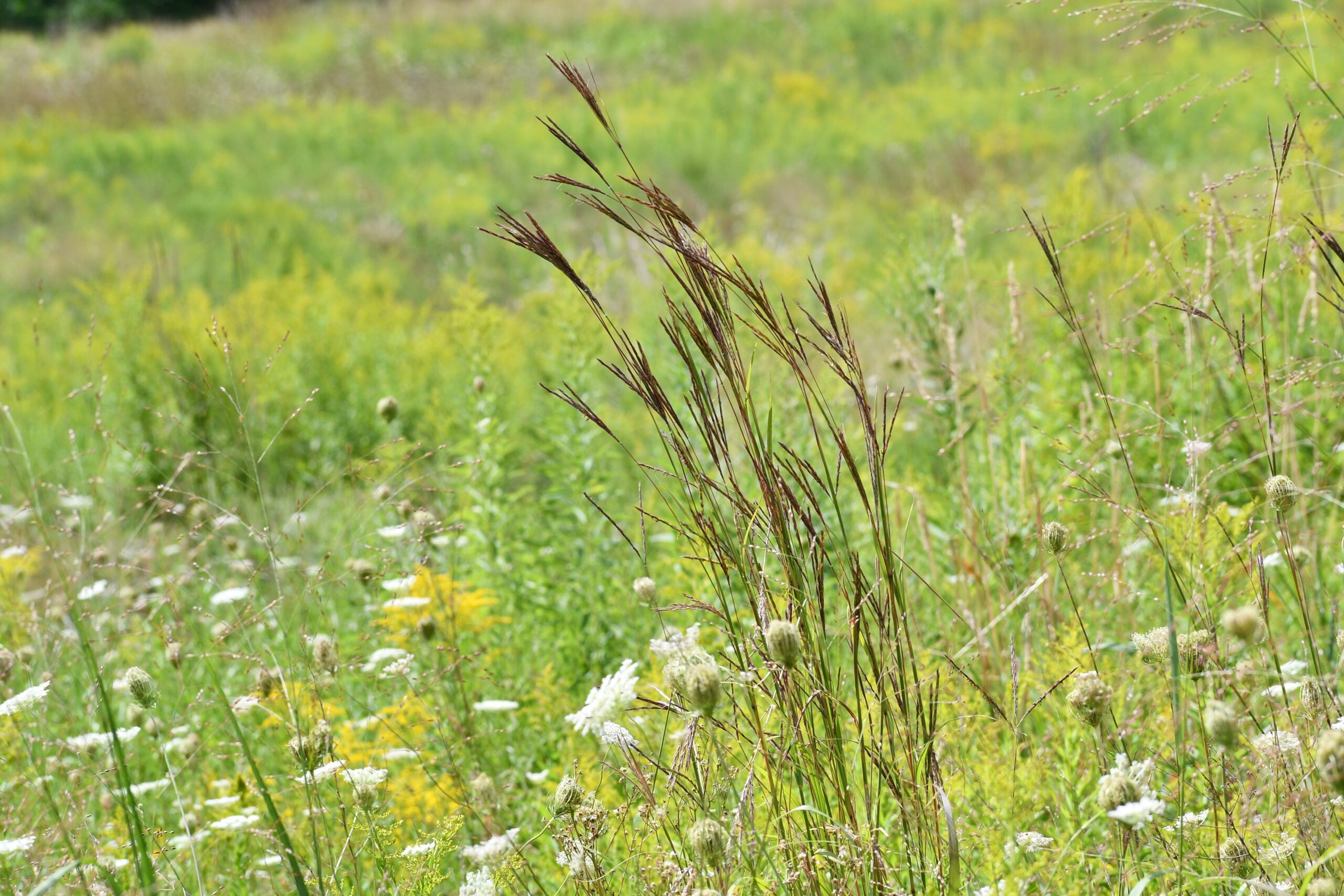
These natural grasslands feature a diverse mix of sun-loving native wildflowers and tall grasses that support a range of wildlife species, including many species at risk, such as the Eastern Meadowlark, Bobolink, and Monarch Butterflies. A range of bird and insect species depend on the shelter, food, nesting opportunities, and migration stopover areas that tallgrass prairies provide. These are not only essential habitats but can also protect our water resources as they improve filtration and slow runoff, reducing the nutrients and bacteria entering our streams, rivers, and ponds while effectively mitigating climate change as the roots of tallgrass prairie plants help store carbon in the soil.
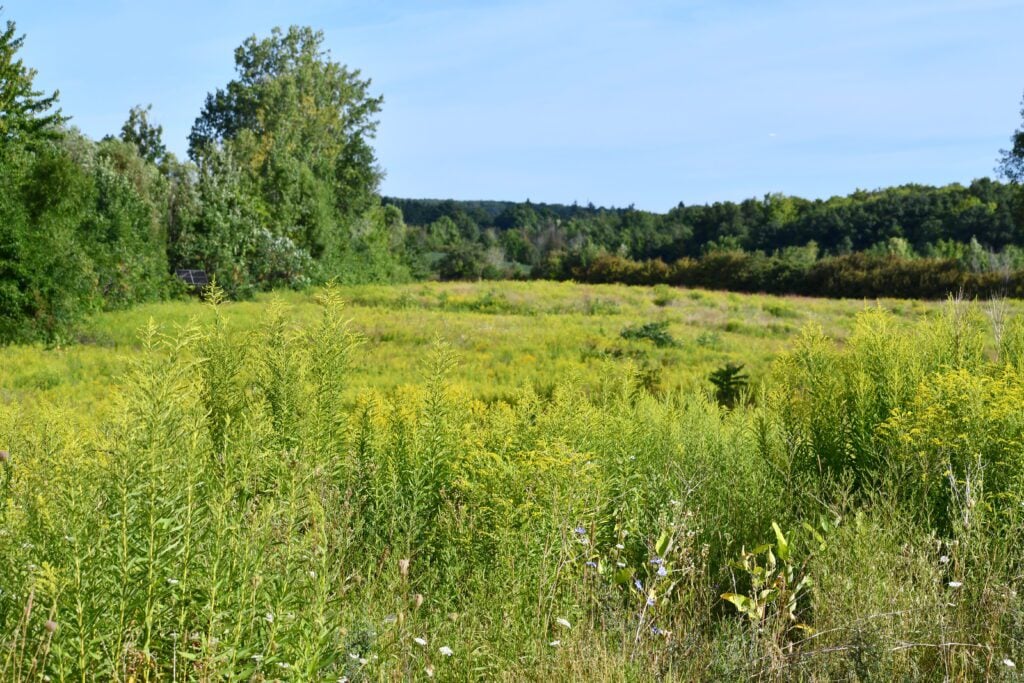
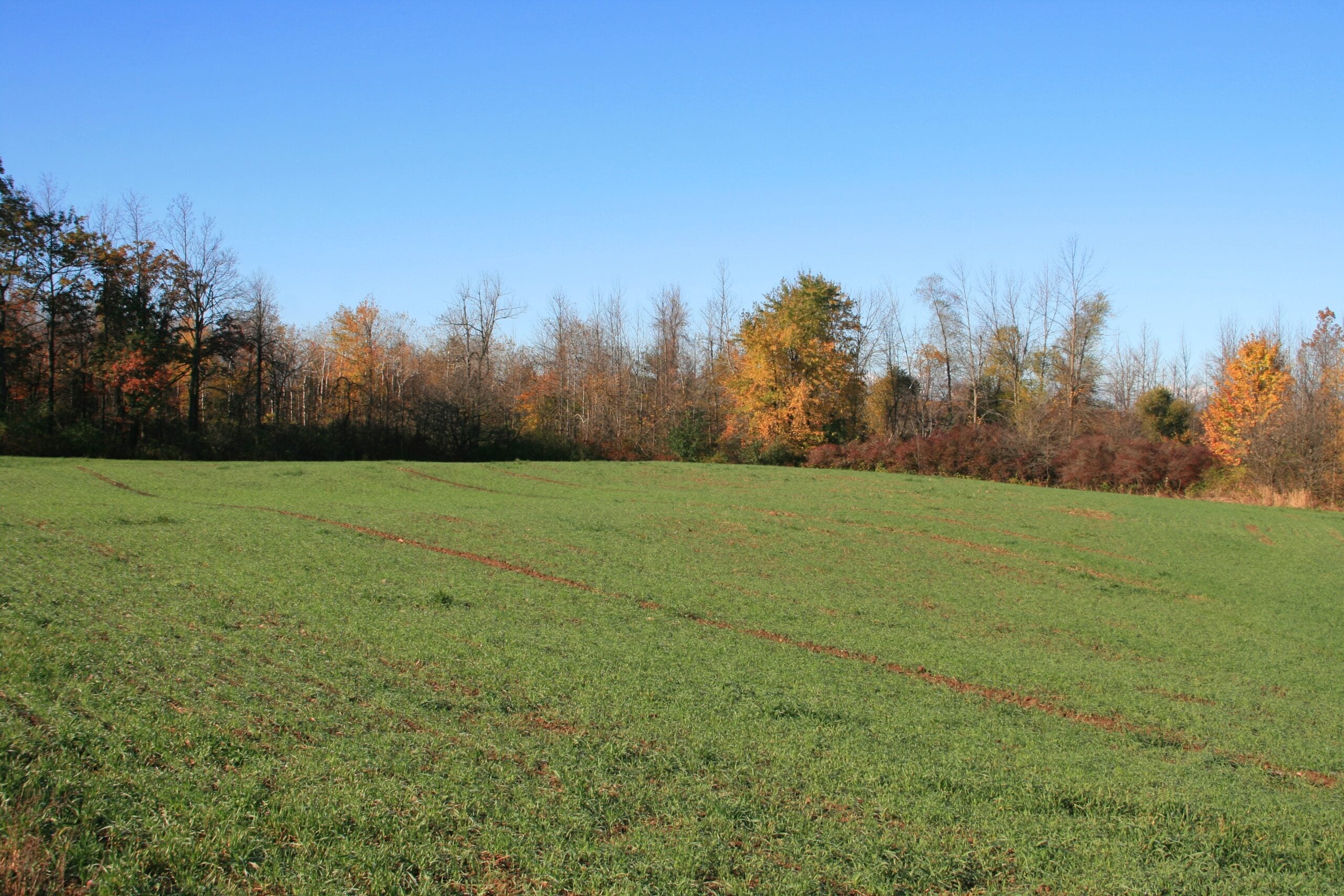
2018
When the BTC secured Fisher’s Pond Nature Reserve, our ecologists identified the former agricultural lands as an opportunity to restore a tallgrass prairie. At the beginning of the project, our ecologists became aware that, after seeding the area the following year, a controlled burn would need to be conducted to ensure a healthy ecosystem. This is because tallgrass prairie plants have evolved with and adapted to fire. Fire is a key driver in the creation and maintenance of tallgrass prairies and encourages seed production while preventing the encroachment of woody plants. Without periodic fires in tallgrass prairies, shrubs and invasive species take over, shading out and eliminating the prairie grass and wildflower species and converting the prairie into a different ecosystem.
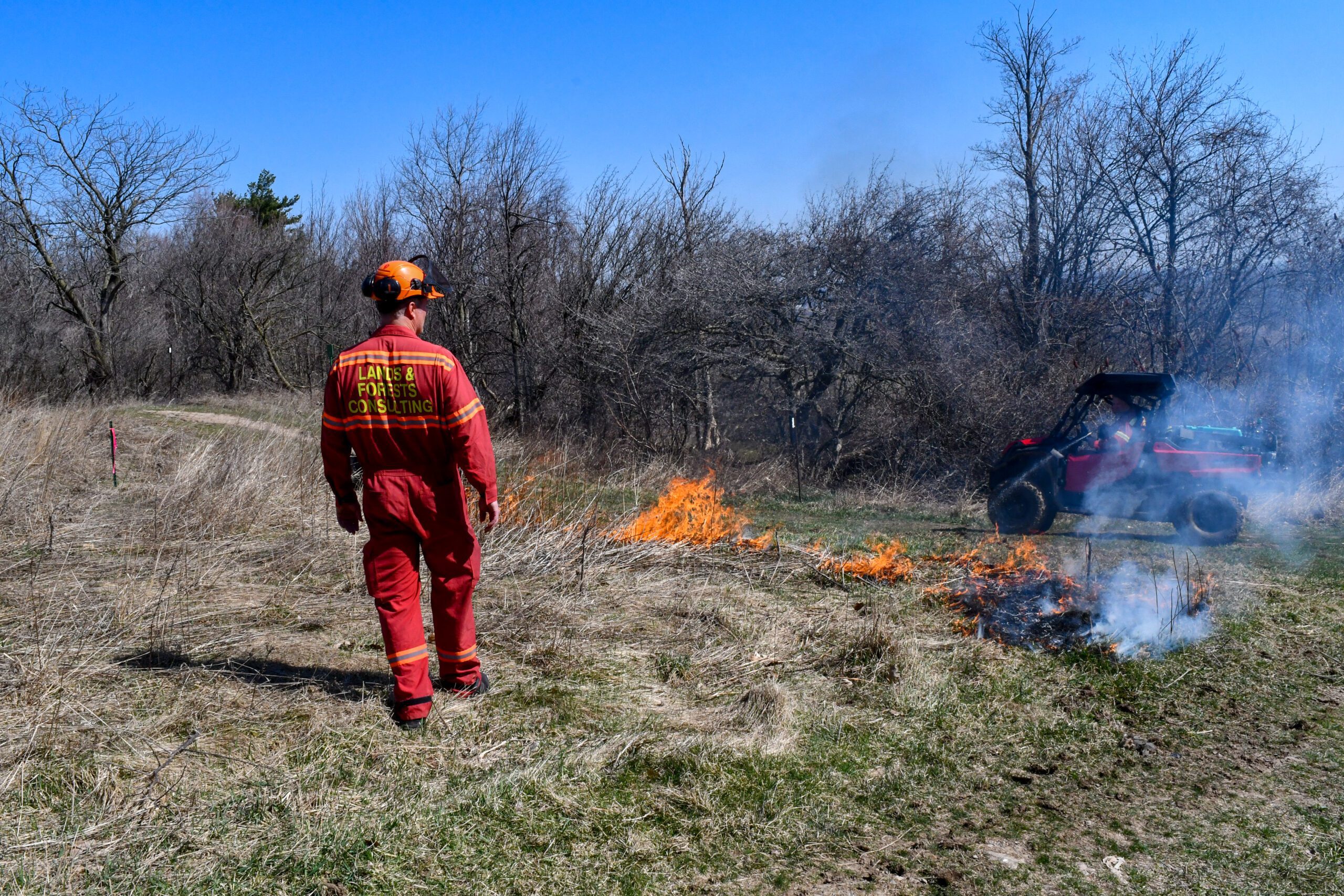
2023
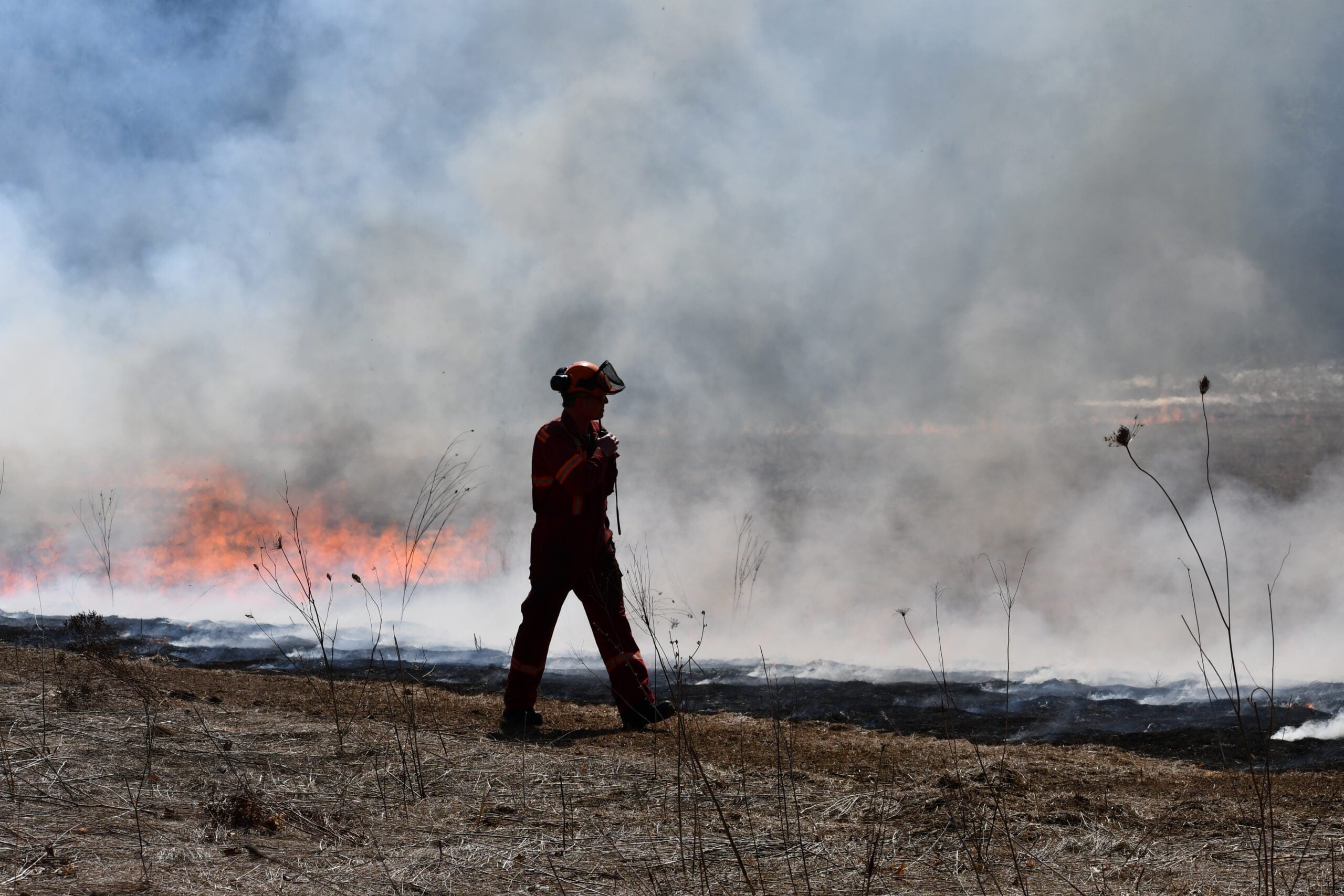
In just under two hours at our Fisher’s Pond Nature Reserve, the team from Lands & Forest Consulting Ltd. successfully burned an 11-acre area of grassland, an important step in restoring a healthy tallgrass prairie at this former agricultural site. In the weeks following the burn, BTC staff returned to Fisher’s Pond and, with help from volunteers, once again seeded the area with native grass and wildflower species, including Big Bluestem, Switchgrass, and Yellow Coneflower. The intent was to give these native species a chance to take hold while any invasive species recovered from the burn.
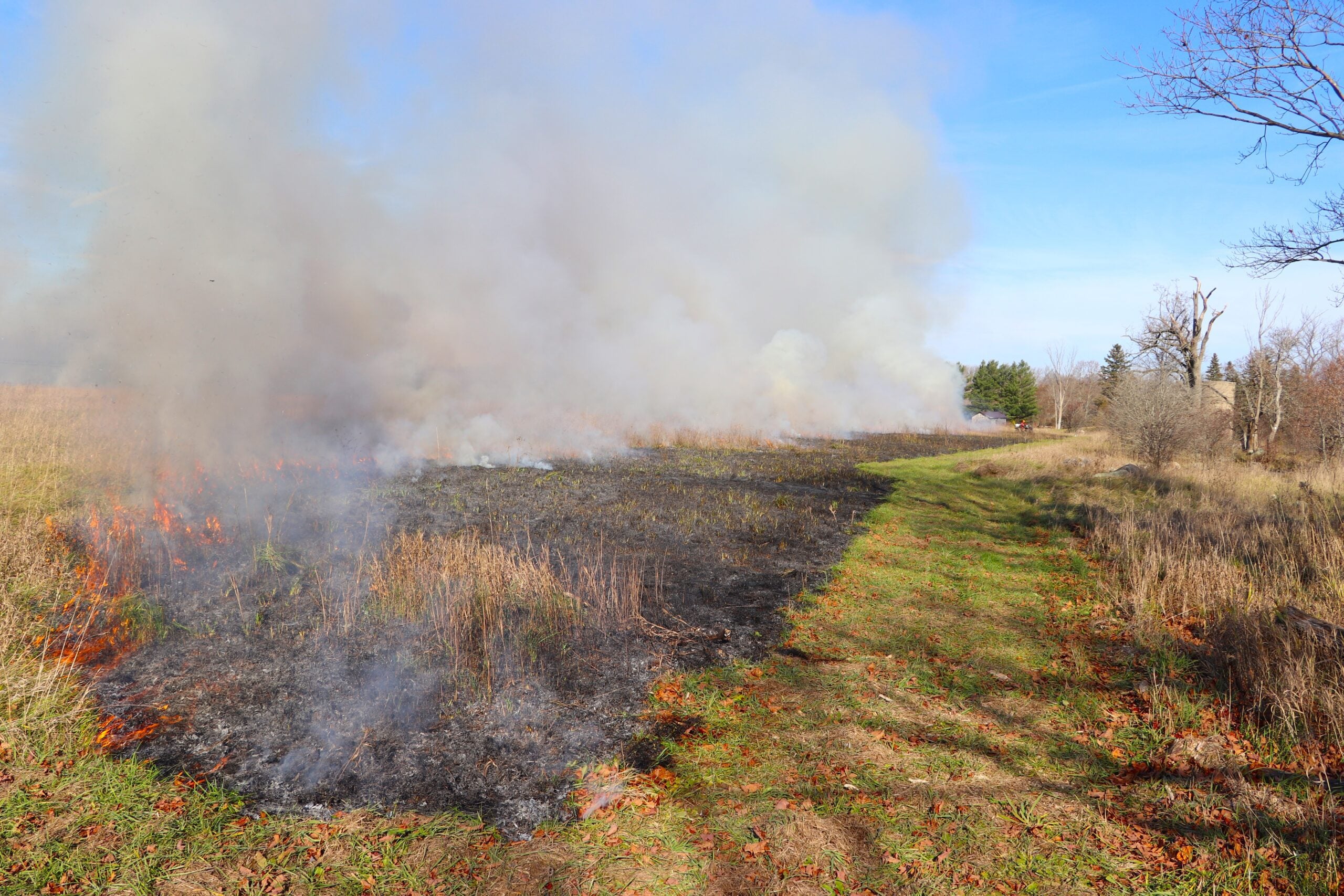
2024
Following the success of our first controlled burn at Fisher’s Pond in the Iroquoia section, our Land Stewardship team decided to use this method again at the Vanishing Stream Nature Reserve near Colpoy’s Bay in the Peninsula section. The aim of this controlled burn was to restore meadow habitat by eliminating the non-native species on former agricultural land to make way for native grasses and wildflowers. Following the burn, the area was seeded with a diverse mix of plants including Aster, Evening Primrose, and Wild Bergamot, and grasses like Big Bluestem, Switchgrass and Canada Wild Rye.
2025
Two years after the first controlled burn conducted at Fisher’s Pond Nature Reserve, our ecologists decided another controlled burn was necessary to further reduce non-native species. The second burn at Fisher’s Pond was conducted in the spring, followed by plantings of native species over the summer. A controlled burn was also conducted at our Riverside Woods Nature Reserve in the Caledon Hills section to help promote a lively and resilient meadow ecosystem, which will support species at risk, such as Eastern Meadowlark and Bobolink.
Goals for the Future
Restoring a functioning, healthy tallgrass prairie to Fisher’s Pond Nature Reserve and other sites across the Bruce Trail will take time. The BTC continues to learn from our experience with this method of habitat restoration to improve our timelines and determine which other protected natural areas are appropriate for similar restoration projects. For instance, we have learned that, for properties that are more restricted in terms of access, proximity to water and nearness of urban areas, other methods such as mowing may be needed in place of a controlled burn.
The BTC has several properties where work is in progress, or where future meadow and prairie restoration opportunities have been identified. These include:
- Vanishing Stream in the Peninsula section
- Bayview Bluffs Nature Reserve in the Sydenham section
- East Mountain Nature Reserve in the Beaver Valley section
- Campbell in the Beaver Valley section
- Dunedin Ravine in the Blue Mountains section
- Splitrock Narrows in the Dufferin Hi-Land section
- Riverside Woods Nature Reserve in the Caledon Hills section
The Bruce Trail Conservancy looks forward to providing updates on meadow and tallgrass prairie restoration projects in the coming years and reporting on the learnings and success of our efforts to create healthy and vibrant ecosystems along the Niagara Escarpment.